Movement, not performance

Start moving.
Start feeling better

You don't need a gym membership, a fitness tracker, or a perfect morning routine. A ten-minute walk is a real beginning. This blog explores the science and the psychology of getting back into motion after a long time off.

Person walking alone on a quiet tree-lined path in morning light, taking their first steps back into movement
10 min/day is enough to start

This blog is not for athletes. It's for everyone else.

If you've spent years mostly sitting, if the word "workout" makes you anxious, if you've tried and stopped before, this is written for you. Not as a training plan, and not as medical advice. As informed, honest writing about what movement does to a human body that's been still for a long time.

The research is real. The tone is calm. The goal is understanding, not motivation through pressure.

The ten-minute walk

Why starting smaller than you think you should is actually supported by exercise physiology, not just motivational rhetoric.

What happens inside

Your cardiovascular system, muscles, and nervous system all respond to movement within days. The changes are measurable and real.

Soreness vs. signals

Day-two muscle soreness has a name, a mechanism, and an explanation. Learning to read your body is a skill, not guesswork.

Sources you can check

Every factual claim here traces back to published research. We explain what the science says, not what we wish it said.

Real movement

Motion looks like this

Person sitting on a park bench catching their breath after a short walk, looking calm and satisfied, surrounded by green trees in soft afternoon light
Rest is part of it
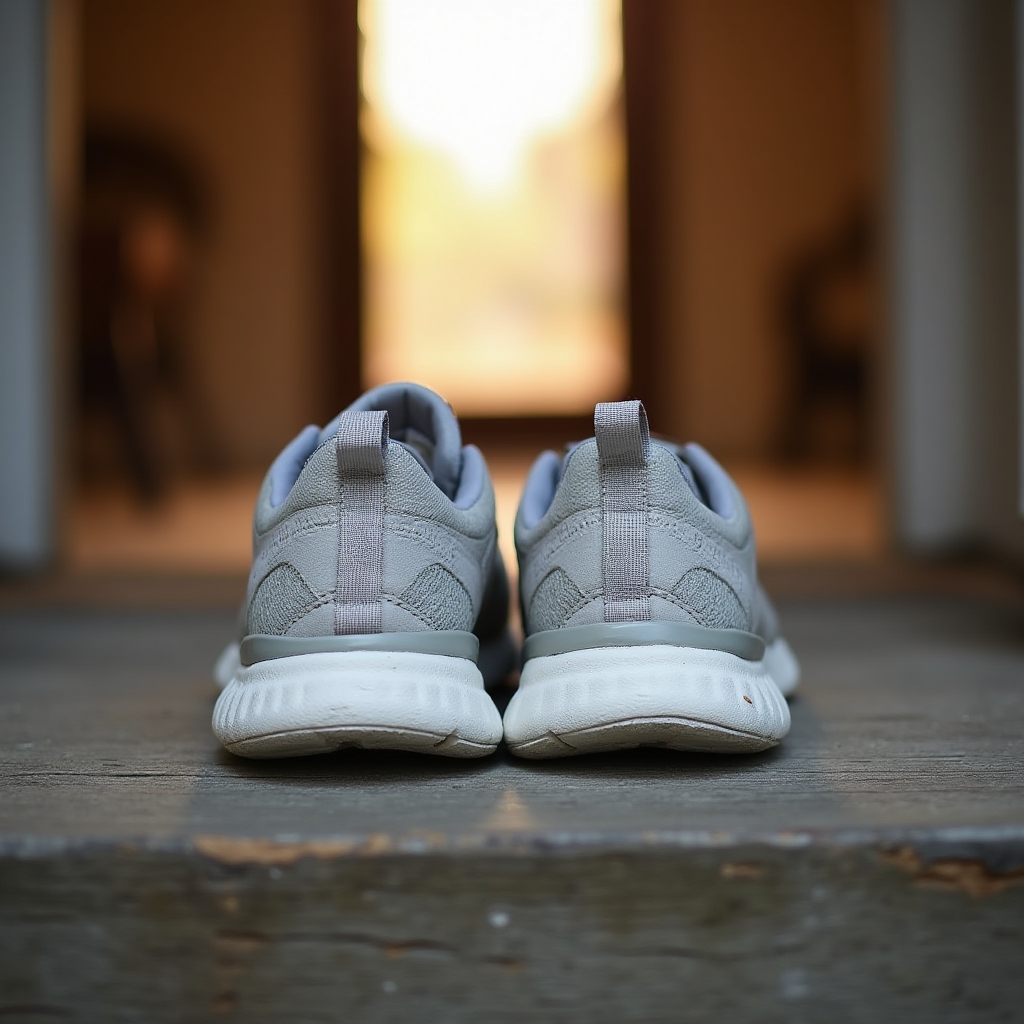
Close-up of worn but comfortable walking shoes on a doorstep, ready to go, warm indoor light spilling onto the threshold
The right gear is simple
Person walking alone down a quiet residential street at dusk, streetlights just beginning to glow, relaxed posture and unhurried pace
Any time works
Person in casual clothes doing a gentle doorway stretch in a sunlit kitchen, morning light, relaxed face, coffee cup on counter nearby
Small rituals build consistency

Grounded in published research

Every article on this blog draws from peer-reviewed exercise science and physiology literature. We explain what researchers have found, in language that doesn't require a degree to read. When the evidence is limited or contested, we say so.

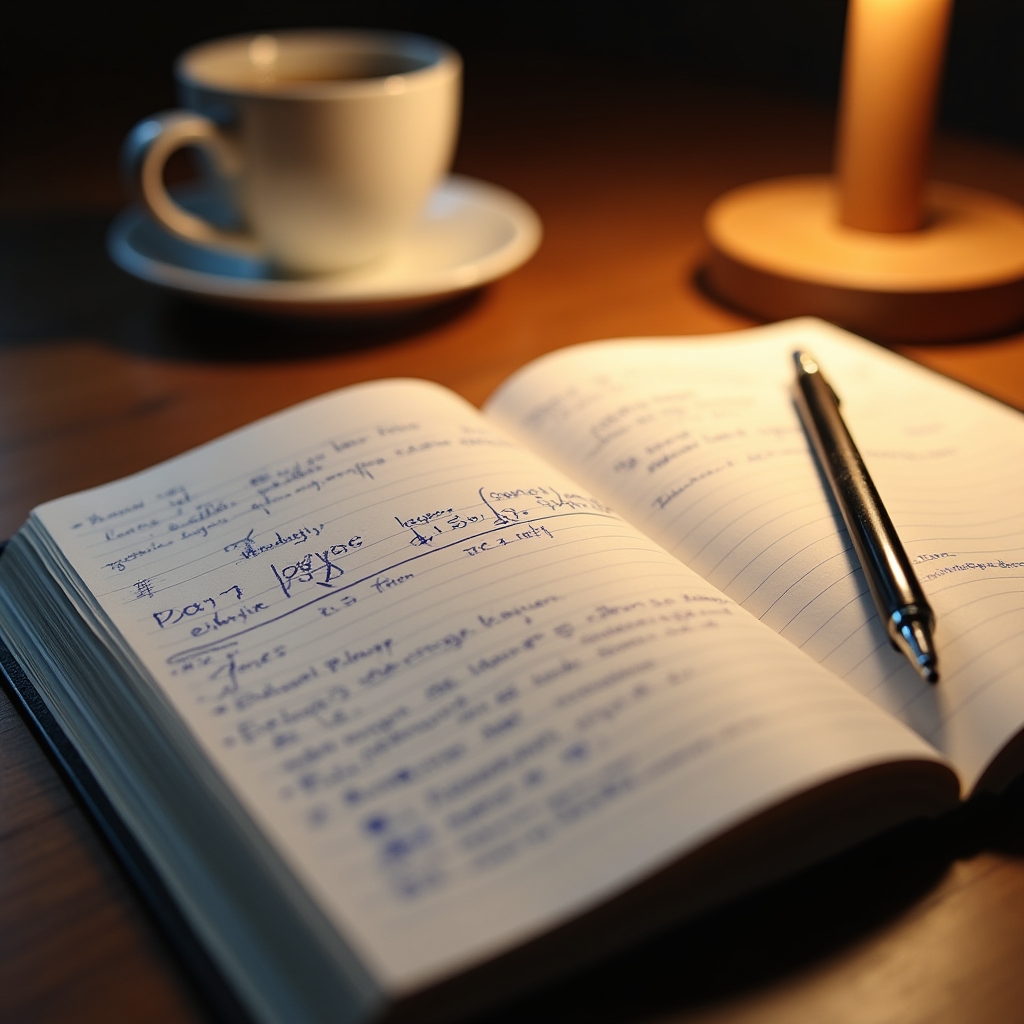
How we evaluate sources
Open exercise science journal with handwritten margin notes on a warm-lit wooden desk, pen resting on the page, shallow depth of field

A note on what this is and isn't

Fiwafa publishes educational and informational content about physical activity. Nothing here is personal training, medical advice, or a substitute for a conversation with a qualified healthcare provider. If you have a medical condition or haven't been physically active in a long time, checking in with your doctor before starting any new activity is always a reasonable step.